THE PAPER THAT WASN'T THERE
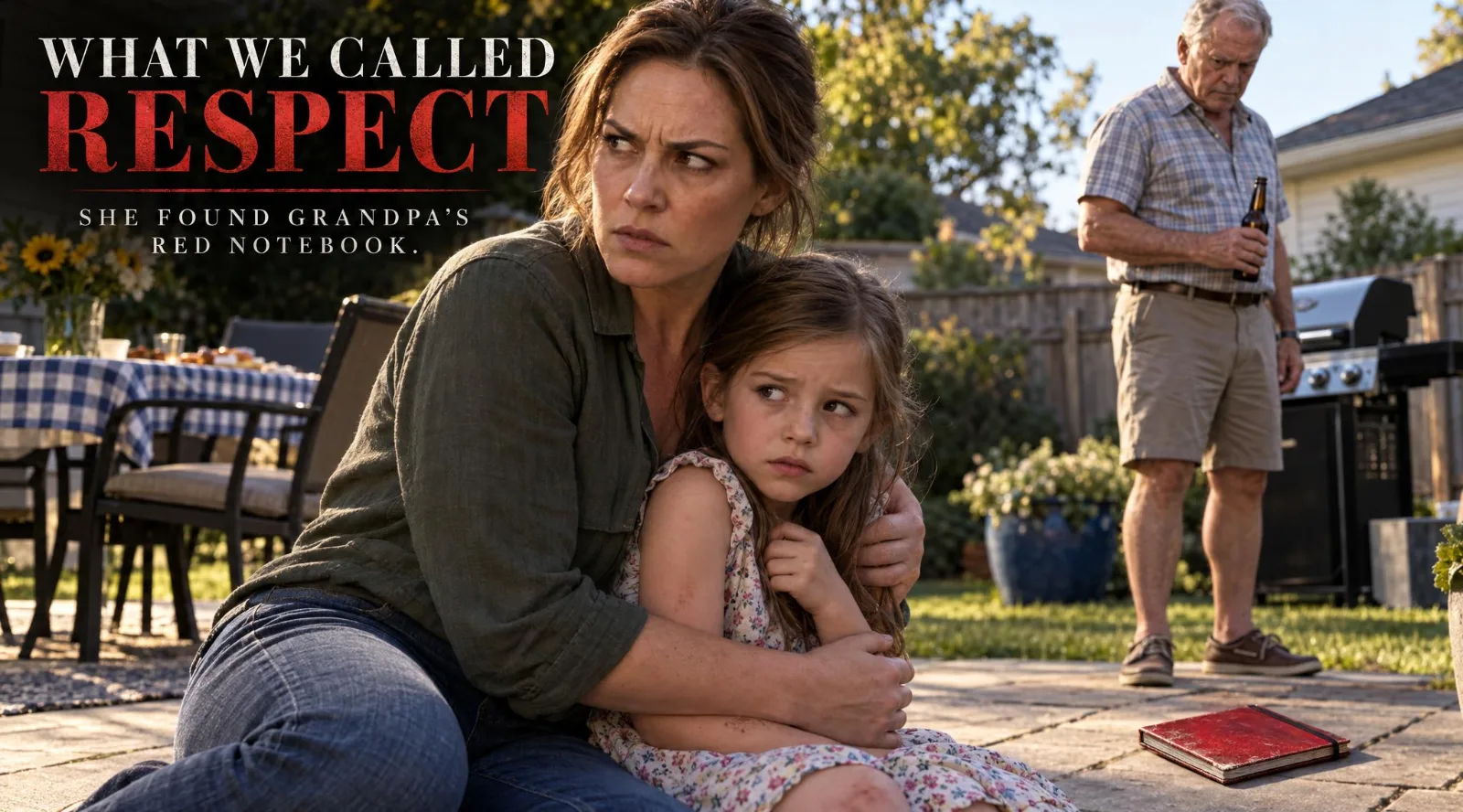
The first record Detective Ortiz found was not a police report.
It was an index entry saying a police report had once existed.
That distinction became important.
In 1998, records had not lived neatly inside searchable databases. Some were typed. Some were handwritten. Some were copied onto carbon paper. Some were reduced years later to archival index cards and disposition codes.
According to the county index, an officer had been dispatched to Larkspur Elementary School on September 18, 1998, regarding an injury to a child named Claire Holloway.
There was a report number.
There was no report.
The archive clerk checked twice.
“It’s missing from the file sequence,” Ortiz told me.
“What does that mean?”
“It means it isn’t where it should be.”
“Could that happen accidentally?”
“Yes.”
She did not dress it up.
“Especially with old paper records.”
I appreciated her for that.
I was beginning to understand how badly I wanted someone to tell me what to believe.
She would not.
Three days later, the school district found something else.
Larkspur Elementary had closed in 2011, but its nursing files had been transferred to district storage.
The nurse who worked there in 1998 was dead.
Her handwriting remained.
Ortiz asked me to come to the station.
She placed a scanned page on the table between us.
My stomach tightened before I read a word.
September 18, 1998.
Claire Holloway.
Age 7.
The nurse had documented a contact burn along my left side.
Under “student explanation,” she had written:
Father became angry in garage after student opened red notebook. Student states father pushed her against heater.
I stopped reading.
The room seemed suddenly too bright.
“I said that?”
Ortiz waited.
“I don't remember saying that.”
“Do you remember the garage?”
“Yes.”
That part had always been there.
The smell of sawdust.
Gasoline.
The cold concrete floor.
My father's workbench.
The heater with the metal housing.
But the memory I had carried was strangely empty of people.
I had backed into it.
That was the family story.
An accident without witnesses.
A scar without a person responsible.
I looked again at the nurse’s writing.
“What happened after she wrote this?”
“She documented calling law enforcement and child services.”
“And?”
“We have confirmation the law-enforcement call generated the report number we found. We’re still working on the rest.”
“Who was Keller?”
Ortiz rotated another paper toward me.
“Deputy Thomas Keller.”
I recognized the name.
Not his face.
Just the sound of it.
Keller.
Dad’s friend Keller.
The man who used to come to our house for Fourth of July when I was little.
The man whose truck my father once helped rebuild.
I put both hands flat on the table.
“The notebook says ‘Keller.’ Then ‘back lot, no invoice.’”
“We noticed.”
“What does that mean?”
“We don't know yet.”
I heard the caution in her voice.
I wanted to hate it.
Instead, I found myself trusting it.
The red notebook was not a confession.
It was mostly a business ledger.
Grant had run Holloway Excavation and Fencing for thirty-two years. The notebook contained names, dates, small jobs, equipment use, materials and shorthand only he might fully understand.
What made it interesting was how often certain entries included the words “no invoice.”
A county inspector received drainage work.
A zoning employee had a driveway widened.
A sheriff’s deputy had a back lot graded.
Some might have been favors between friends.
Some might have been legitimate jobs documented elsewhere.
The notebook did not say:
I traded these services for silence.
Reality was less convenient than that.
But the timing bothered Detective Ortiz.
Deputy Keller’s free work had been recorded six days after the nurse reported my injury.
The words ISSUE CLOSED appeared beside my name.
That did not prove a bargain.
It created a question.
And questions, I learned, were sometimes more dangerous to men like my father than accusations.
The next thing investigators obtained was the original dispatch log.
The call notation read:
SCHOOL NURSE REQUESTS OFFICER — POSSIBLE INTENTIONAL BURN — JUVENILE FEARS RETURN HOME.
I read the final four words until they stopped looking like English.
Juvenile fears return home.
Me.
Seven years old.
Afraid to go home.
Ava had asked me almost the same thing after the hospital.
Is Grandpa mad at me?
My body reacted before my mind did.
My hands began to shake.
Ortiz noticed.
“We can stop.”
“No.”
“Claire.”
“No.”
I pressed my palms together.
“I’ve stopped for twenty-eight years.”
That afternoon I drove to my mother’s house.
Grant had been released under conditions prohibiting contact with Ava.
His truck was gone.
My mother opened the door and looked at my face.
She knew.
Not everything.
But enough.
I held up the copy of the nurse’s note.
“What happened to me in Dad’s garage?”
Her mouth opened.
Nothing came out.
I stepped inside and closed the door behind me.
“You have one chance,” I said. “Do not tell me I backed into that heater.”