WHAT SLOANE BELIEVED
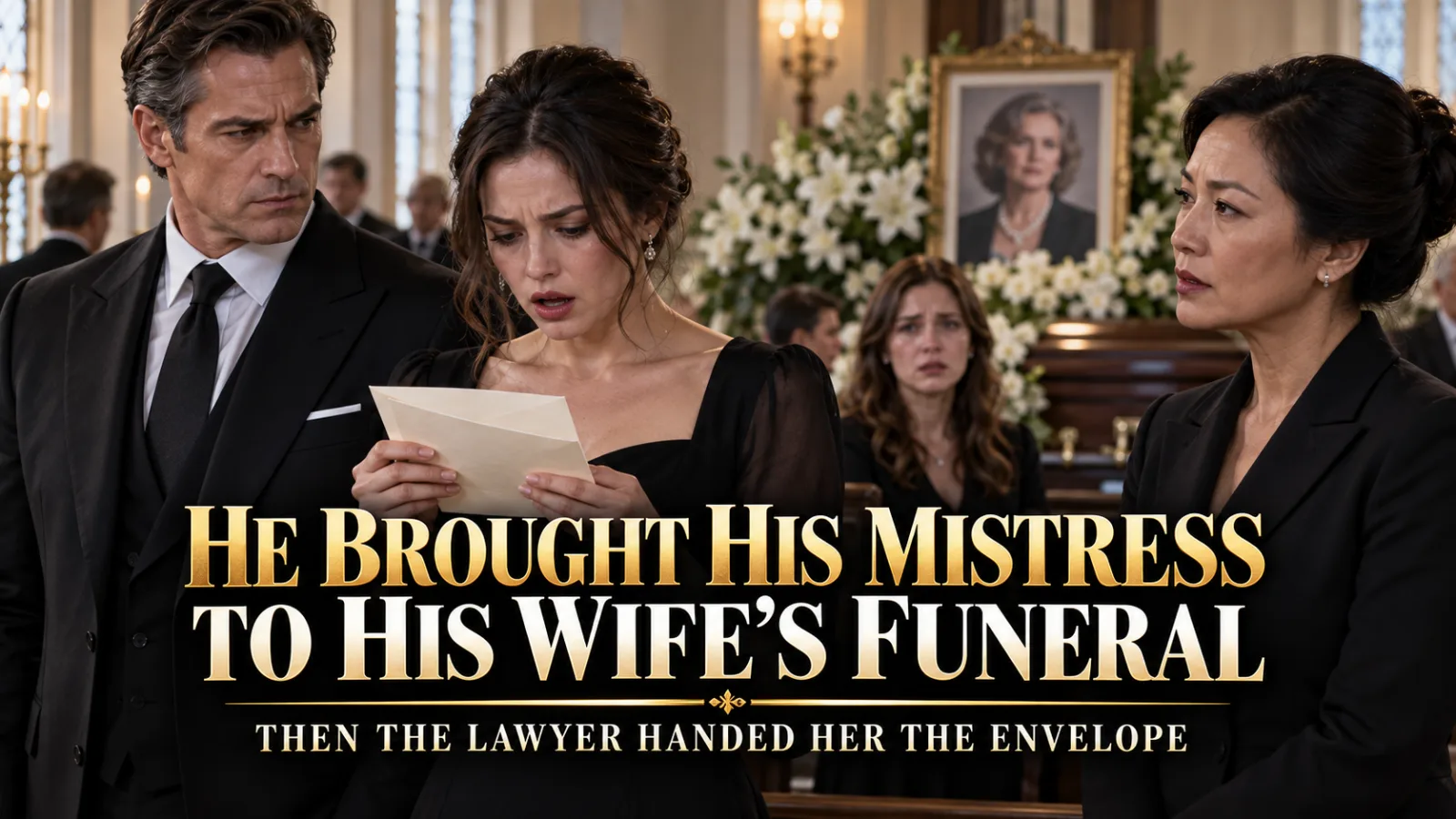
Sloane Avery had not planned to become someone’s mistress.
That sentence sounded ridiculous even inside her own head, because nobody planned the ugliest versions of themselves. They arrived by compromise.
Grant Mercer entered her life at a hospitality conference in Chicago two years earlier. Sloane had built a respectable career advising luxury brands on customer experience and market expansion. She was good at translating expensive feelings into commercial language. Hotels hired her when they wanted guests to describe a lobby as intimate rather than small, exclusive rather than inaccessible.
Grant hired her firm for a six-month strategy project.
He was charming without behaving like a man who needed anyone to know it. He remembered details. He asked questions and listened to answers. He made Sloane feel not merely attractive but unusually intelligent.
His wedding ring remained on his hand.
That should have been enough.
Instead, Grant gave her context.
Eleanor had cancer.
Their marriage, he said, had ended emotionally years before the diagnosis. They remained legally married because public conflict would hurt the company they had built together. They slept in separate rooms. Eleanor knew he had moved on. They were handling everything privately because illness complicated timing.
Sloane asked him once whether Eleanor would say the same thing.
Grant had looked hurt.
Not angry.
Hurt.
“You think I would humiliate a dying woman by making her explain the end of her marriage to someone she’s never met?”
Sloane apologized.
That was how good he was.
The affair began three months later.
For a while Sloane preserved enough shame to keep calling it temporary. Grant talked about the future with irritating patience.
Not yet.
When Eleanor’s treatment stabilizes.
After the next board cycle.
After the press stops watching.
Then came Avery Strategy.
Grant said Sloane should leave the agency where she worked and build something of her own. He would become her first major client. She could stop letting other people put their names above her work.
It sounded like belief.
He helped her find an accountant.
Introduced her to two clients.
Sent substantial consulting projects through the Mercer Vale hospitality group.
When finance documents appeared, she signed where legal told her to sign.
Or where Grant told her legal had told her to sign.
She understood branding.
She understood contracts at the level most businesspeople did.
She did not understand how easy it was to make one company carry money for another if nobody asked why the invoice description kept changing.
The first time Sloane met Eleanor, she thought she was about to be destroyed.
It happened twelve days before Eleanor died.
Sloane was leaving her apartment when a black town car stopped at the curb. An older woman stepped out and introduced herself as Naomi Chen.
“Mrs. Mercer would like twenty minutes.”
Sloane’s stomach collapsed.
“No.”
Naomi appeared unsurprised.
“She said you might say that.”
“I have nothing to discuss with her.”
“She believes you do.”
Sloane almost walked away.
Then shame made the decision for her.
Eleanor was staying at a private townhouse used by the family during treatment because it was closer to the hospital than their estate. When Sloane entered the upstairs sitting room, she saw a woman far thinner than the magazine photographs but unmistakably alive to everything around her.
Eleanor sat near a window in a soft gray sweater.
No makeup.
No dramatic lighting.
No anger.
That unsettled Sloane more than rage would have.
“You’re prettier than his usual type,” Eleanor said.
Sloane stopped.
Eleanor smiled faintly.
“I’m sorry. Dying has not improved my manners.”
“I shouldn’t be here.”
“Probably not.”
Sloane remained by the door.
“I never wanted to hurt you.”
“That sentence usually means the hurting has already happened.”
There was no cruelty in the way Eleanor said it.
That somehow made it worse.
Sloane swallowed.
“Grant told me—”
“I know what Grant told you.”
The interruption was gentle.
“He told you we had been over for years. That the cancer made divorce impossible. That I knew about you. That this was essentially administrative.”
Sloane said nothing.
Eleanor nodded.
“Yes. He is efficient with repetition.”
A chill moved through her.
“What does that mean?”
“It means I was not the first woman he told that story to.”
Sloane’s face burned.
Eleanor looked toward the window.
“He has cheated before. You are the first one he tried to turn into infrastructure.”
“I don’t understand.”
“I know.”
Eleanor gestured toward a chair.
After several seconds, Sloane sat.
Eleanor did not ask for an apology.
She asked about Avery Strategy.
When had Sloane incorporated it?
Who prepared the documents?
Who approved the Mercer Vale invoices?
Had Grant ever asked her to witness signatures?
Had she signed anything involving temporary voting proxies or intellectual property assignments?
The questions became frightening because Sloane could answer too many of them.
“What are you accusing me of?”
“I’m trying to decide whether you’re helping him or being used by him.”
“I would never steal from your company.”
“I believe that.”
That answer landed harder than accusation.
Sloane stared.
“Why?”
“Because people who know they are stealing rarely look that offended by accounting questions.”
Eleanor coughed then.
A deep, exhausting cough that bent her forward.
Sloane moved automatically to help.
Eleanor held up one hand until it passed.
When she could speak again, her voice was softer.
“I’m not asking you to like me.”
“I don’t dislike you.”
“That is somehow more embarrassing for both of us.”
Despite herself, Sloane almost laughed.
Then Eleanor reached toward a side table.
The cream envelope lay there.
Her name was written on the front.
SLOANE AVERY.
“What is that?”
“Something I need you to keep sealed.”
“For how long?”
“You’ll know.”
Sloane frowned.
“No. That isn’t good enough.”
Eleanor studied her.
“Fair.”
She leaned back.
“Grant will make a choice after I die. If there is anything left in him that resembles shame, he will bury me, disappear for a respectable amount of time and introduce you to the world later.”
Sloane wanted to disappear.
Eleanor continued.
“If he brings you to my funeral, he isn’t bringing you because he loves you. He is bringing you to establish control. Over the story. Over the company. Over my family. And over you.”
“That’s insane.”
“It is arrogant. Arrogance often looks insane from outside.”
Sloane looked at the envelope.
“What’s inside?”
“The reason he needs you more than you think.”
“Why not tell me now?”
“Because if I tell you today, he will convince you I’m a dying wife trying to punish him.”
Sloane opened her mouth.
Eleanor raised one eyebrow.
“He already told you my medication makes me irrational, didn’t he?”
Sloane said nothing.
Eleanor nodded slowly.
“I thought so.”
She held out the envelope.
“If he brings you to my funeral, open this when Naomi asks.”
Sloane did not take it.
“What if I don’t go?”
“Then perhaps you are smarter than I was at your age.”
“What if he asks me to?”
“Then decide what kind of woman you want to be after someone finally gives you all the information.”
Sloane took the envelope.
It weighed almost nothing.
For eleven days, it sat inside her apartment safe.
Then Eleanor died.
Grant called six hours after the announcement.
He sounded exhausted.
Vulnerable.
He said he needed Sloane.
She told him she should not attend the funeral.
He insisted.
“You’ve spent two years being hidden because of her illness. I’m done treating you like something shameful.”
The sentence touched exactly the place Eleanor had warned her about.
Sloane still went.
That was the part she would never later pretend was entirely Grant’s fault.
She chose the dress.
She got into his car.
She walked into Eleanor’s funeral.
And when Naomi said her name, Sloane understood that Eleanor had predicted not only Grant.
She had predicted her too.